Can Building With Timber Make Us Feel Better?
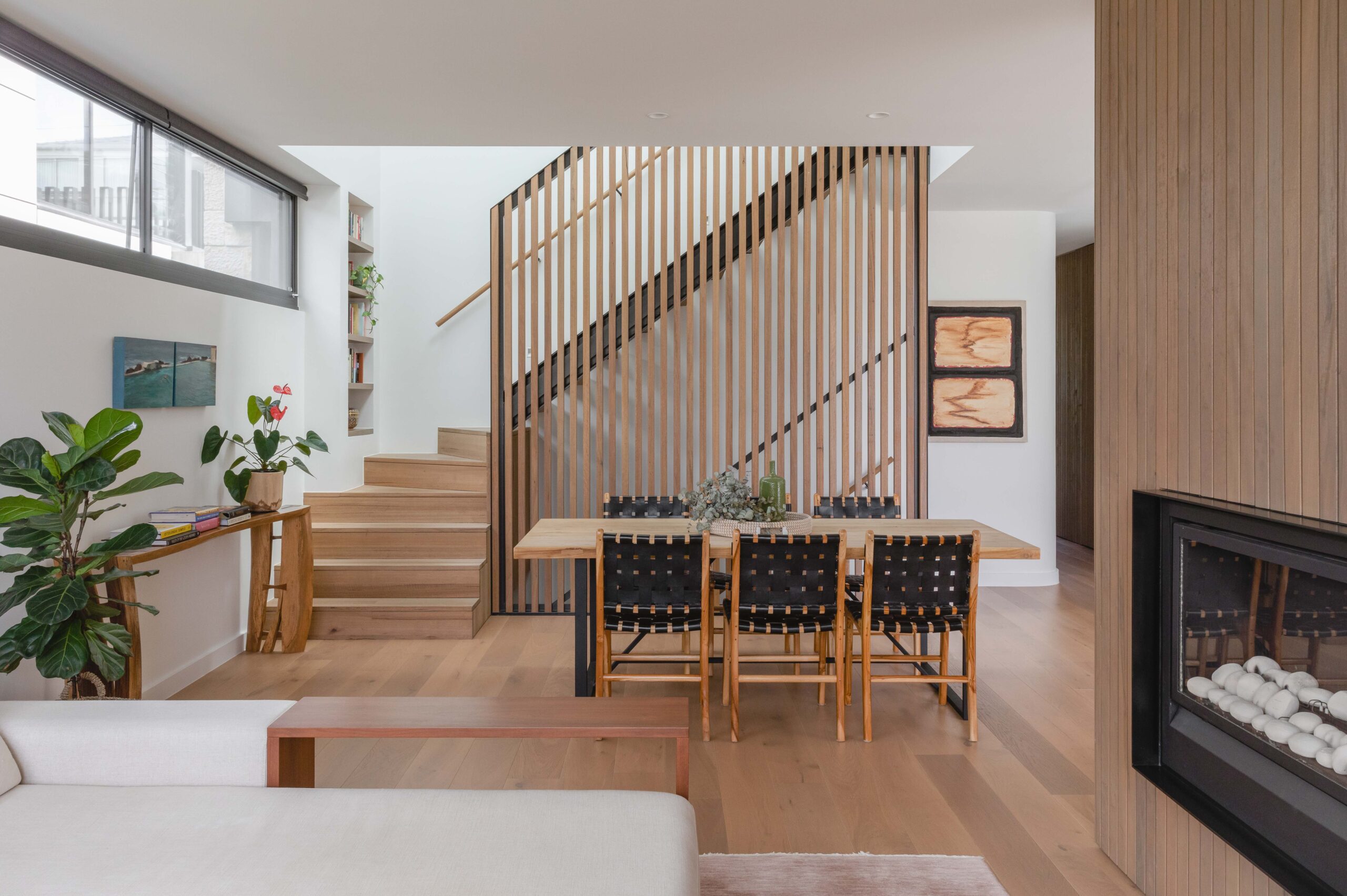
We know that the design of a building influences how we feel inside it. But what role do the materials we build with play?
A new Wellbeing Report from Waugh Thistleton Architects explores this question, bringing together research into the relationship between timber and wellbeing.
Produced as part of the European Timberhaus research project, the report reviews existing studies alongside expert perspectives from architecture, engineering and health. Its findings suggest that timber environments may offer benefits beyond their aesthetic and environmental qualities, from improved comfort to reduced stress.
While the science is still developing, researchers are beginning to understand how timber might influence our physical and psychological responses to the spaces around us.

How timber shapes indoor environments
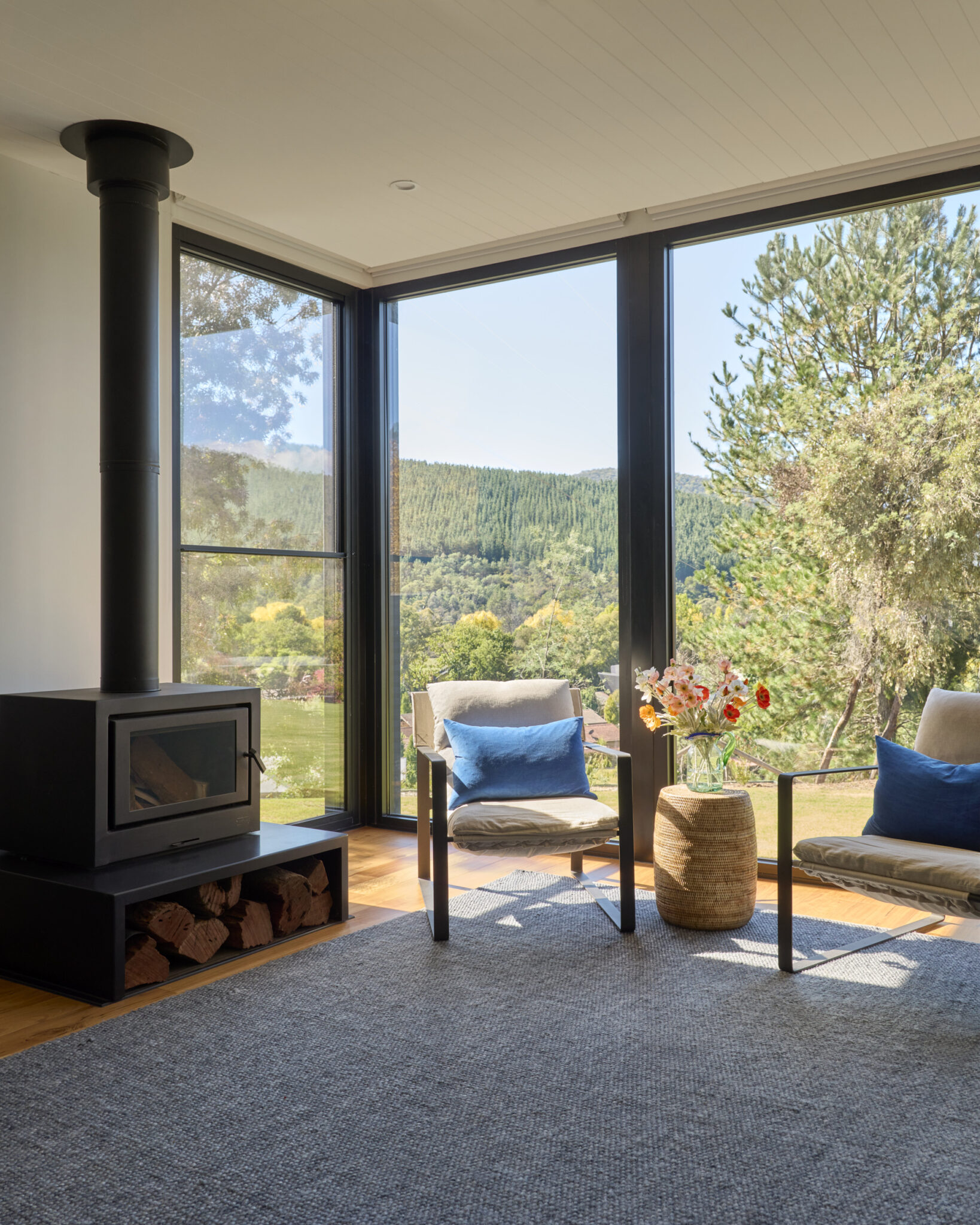
Timber has a range of physical properties that influence how we experience a space.
Thermal comfort: Timber can absorb and release moisture, helping to moderate changes in indoor humidity. Its relatively low thermal conductivity also means timber surfaces tend to feel warmer to the touch than materials such as metal or stone.
Acoustics: Exposed timber absorbs and reflects sound differently from materials such as glass and concrete, influencing the acoustic character of a room.
Lighting: Timber’s natural tones and reflectance can create a softer visual environment, influencing how natural and artificial light is experienced.
These characteristics help shape the comfort and atmosphere of indoor spaces, although their effects depend on how timber is incorporated into the overall design.
Can timber influence our physical wellbeing?
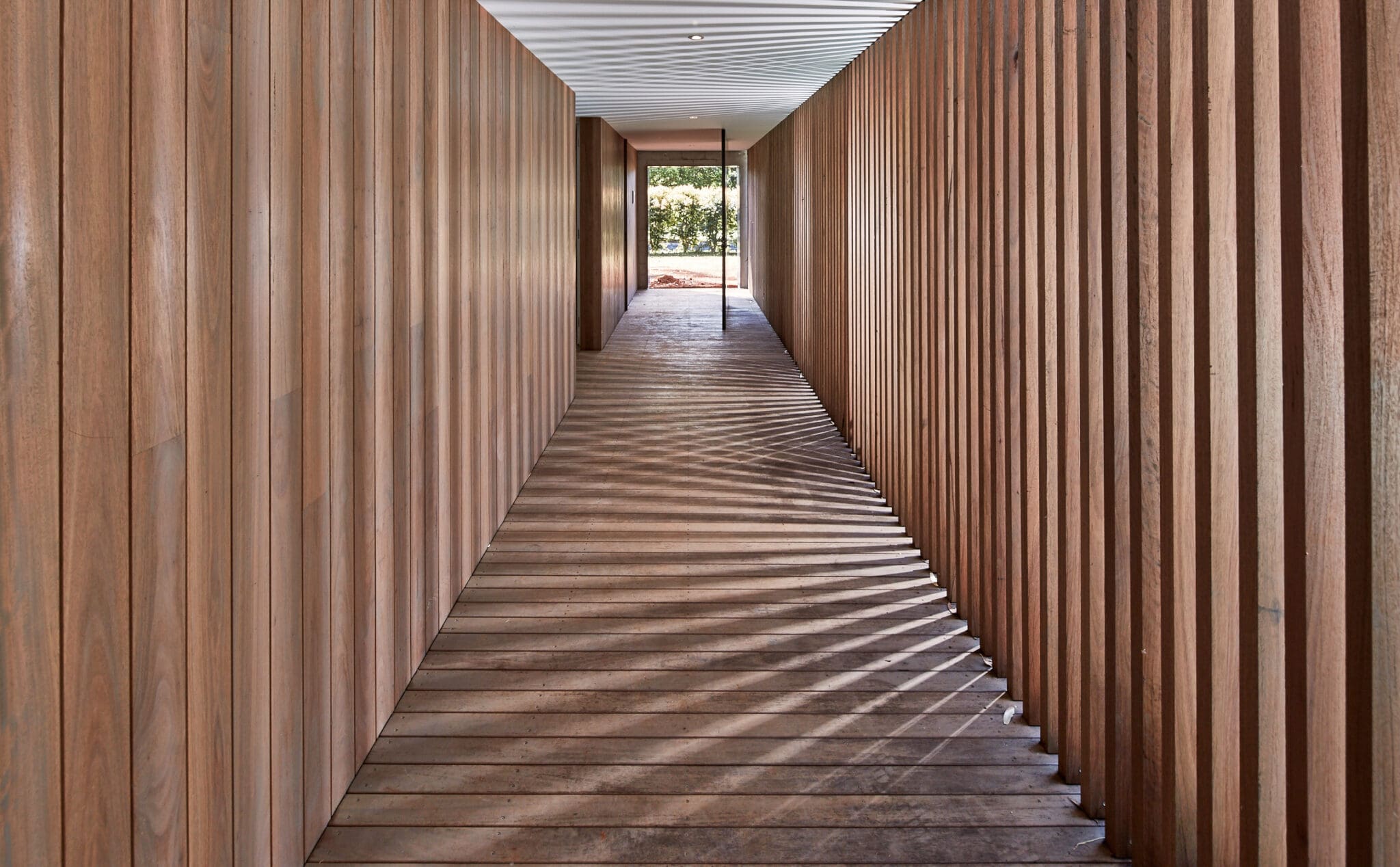
Beyond comfort, researchers are investigating how our bodies respond to timber environments.
Studies have recorded physiological responses associated with reduced stress, including changes in blood pressure and heart rate variability. Research into physical contact with timber has also identified differences in cardiovascular and nervous-system responses compared with materials such as marble, tile and stainless steel.
One interesting study took place at T3 Collingwood in Melbourne, where researchers investigated the experiences of office workers moving from conventional workplaces into a mass timber building.
Over three months, the researchers collected wellbeing surveys and hair cortisol samples, identifying encouraging associations between timber-rich environments, perceived wellbeing and productivity.
Although the study involved a small number of participants and could not isolate timber from other environmental influences, it offers an interesting glimpse into how the materials around us might influence our wellbeing over time.
What about psychological wellbeing?
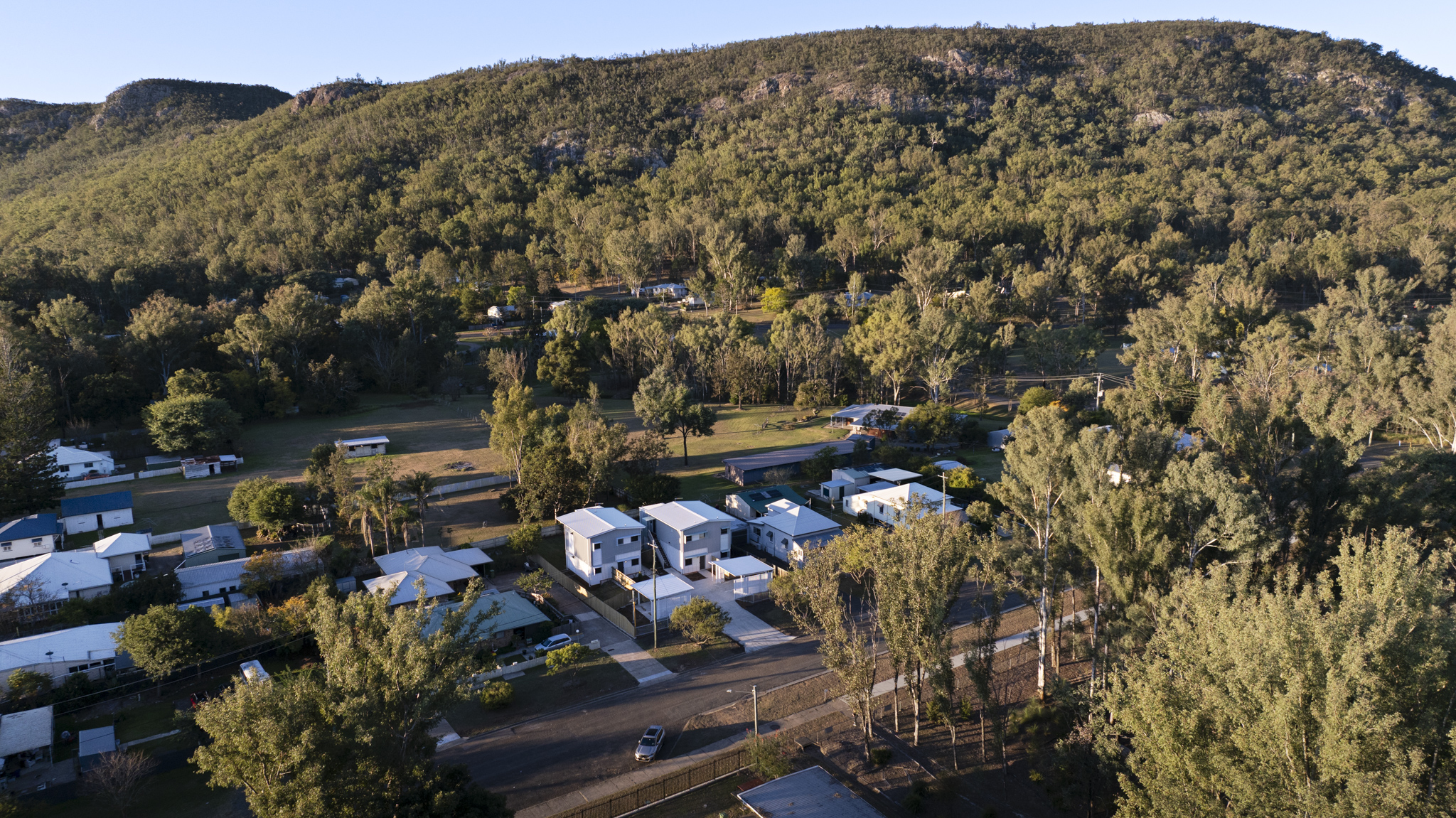
The report also examines how timber influences our emotional responses to indoor spaces.
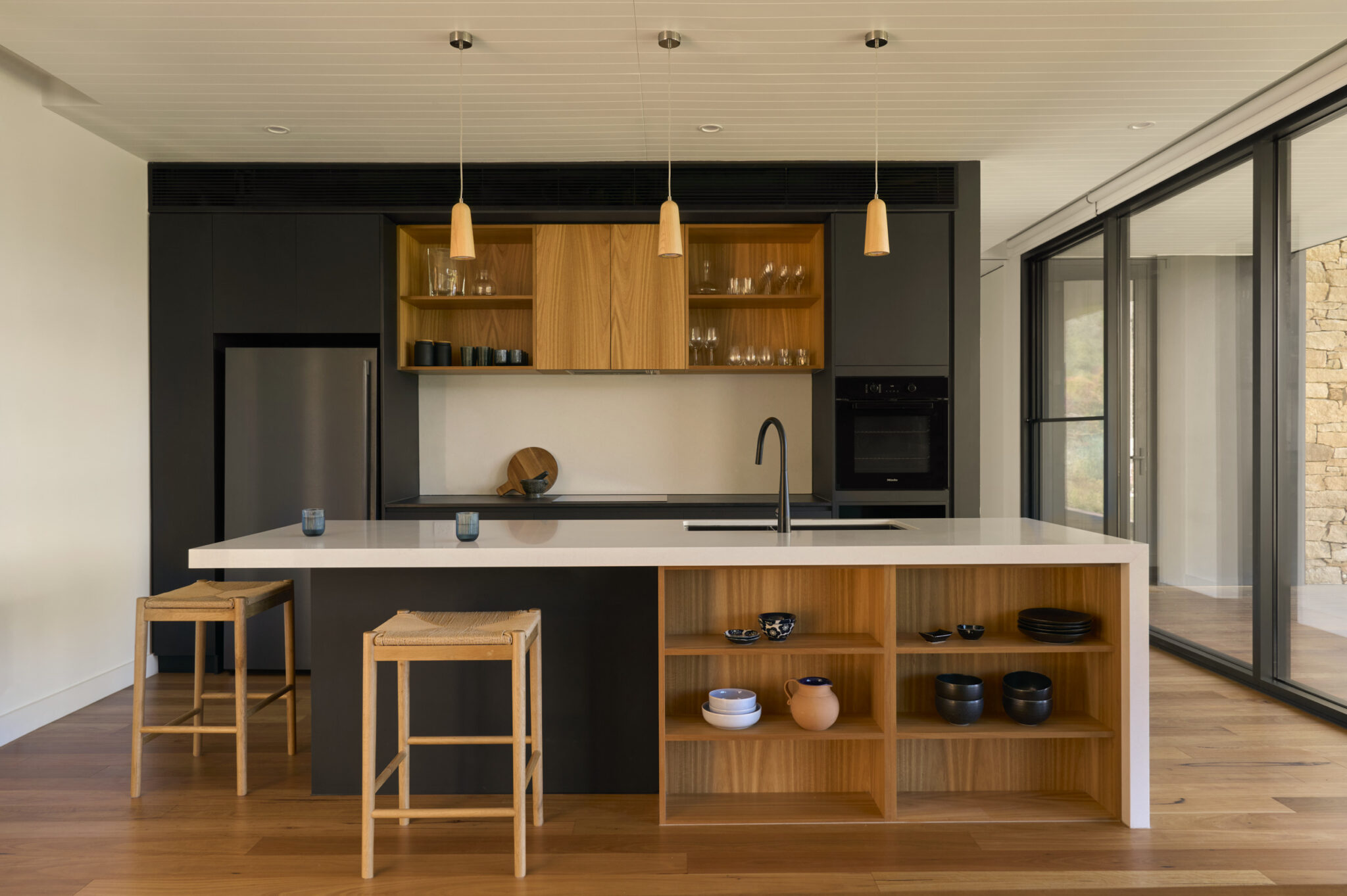
Across different settings, people frequently describe timber interiors as warmer, calmer and more comfortable.
Some studies have associated visual exposure to timber with lower anxiety and more positive emotional responses. Others have explored potential links with concentration and cognitive performance.
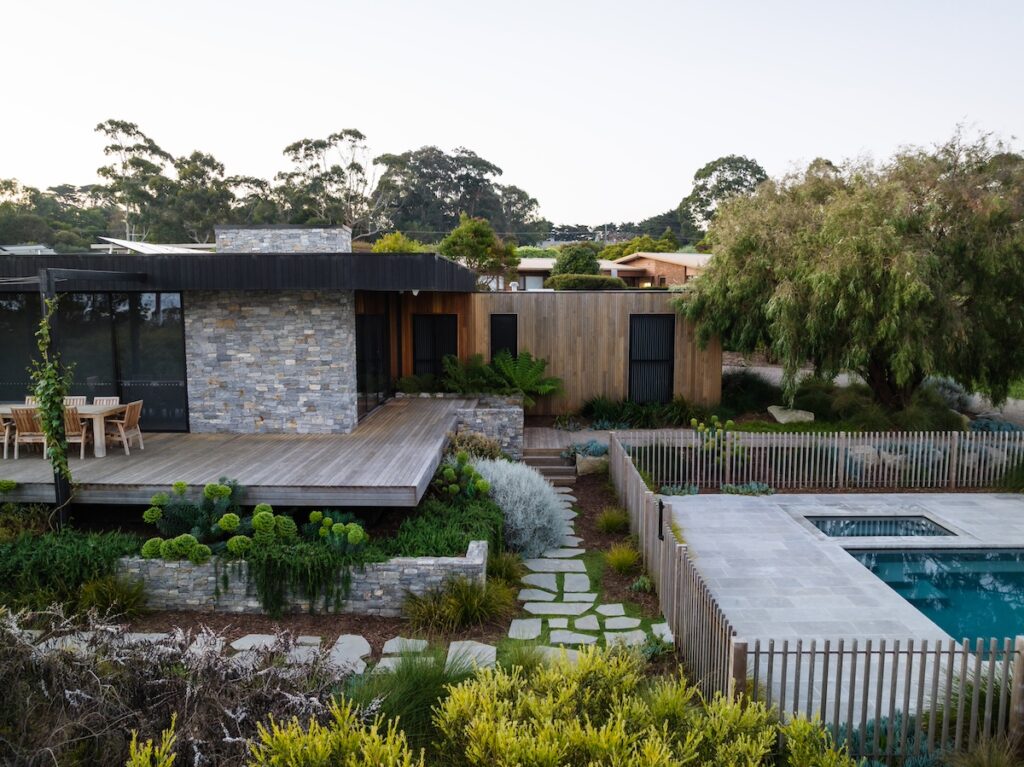
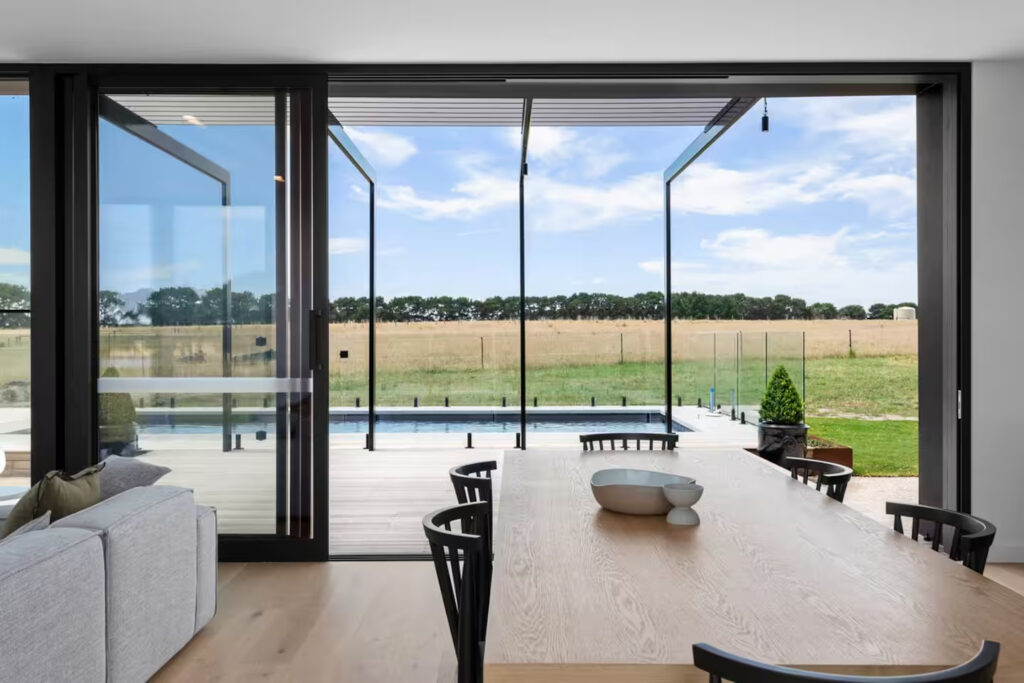
Timber can also contribute to biophilic design, which seeks to strengthen our connection with nature through natural materials, daylight, planting and other design elements.
The findings are promising, particularly around perceived comfort and psychological wellbeing. However, the report cautions that larger, longer-term studies are needed before definitive conclusions can be drawn.
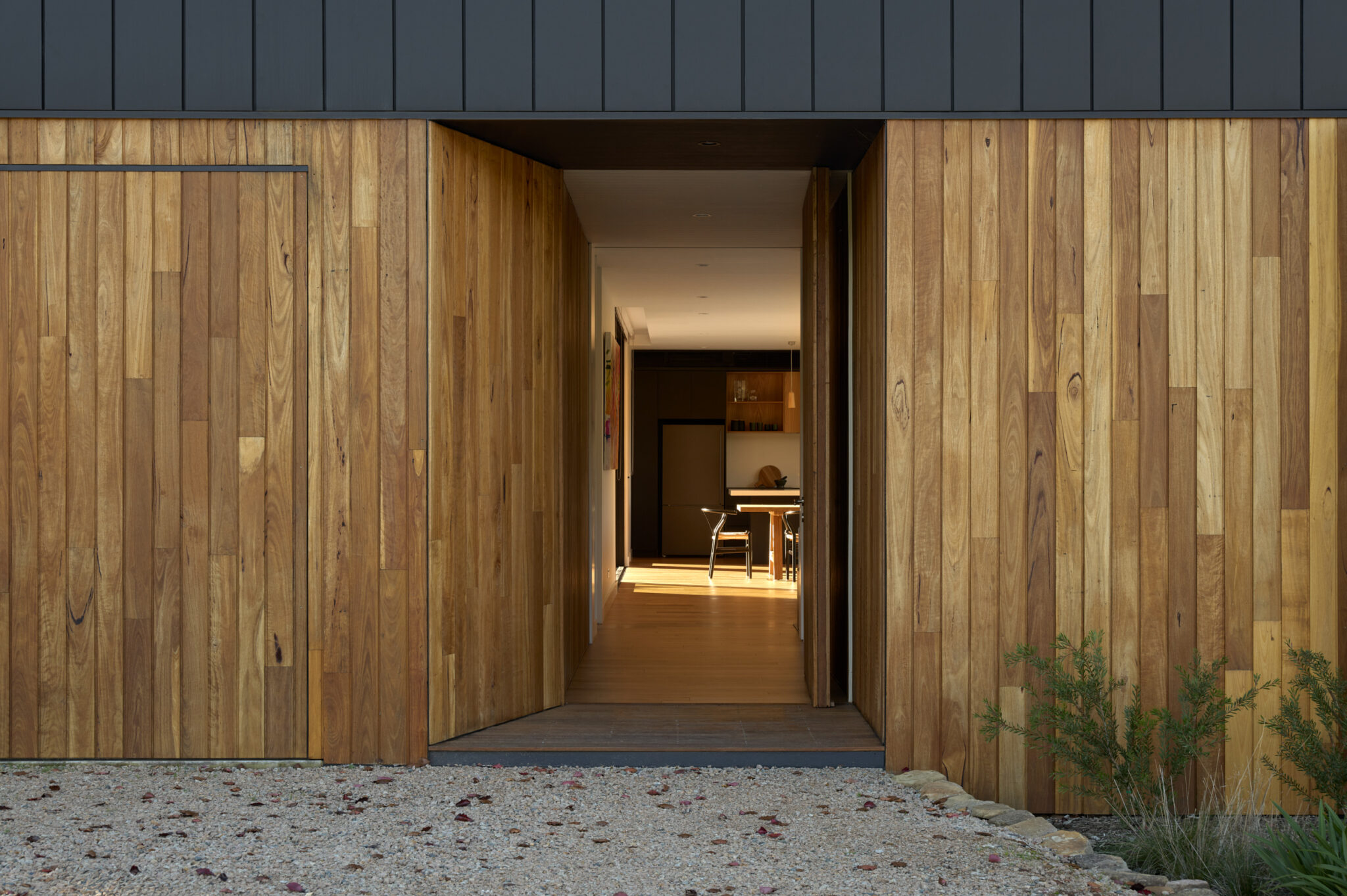
What does this mean for how we build?
For Modscape + Modbotics, the research reinforces an important principle: how a building feels and functions for the people using it matters just as much as how it’s constructed.
We design and deliver spaces where people live, learn, work and recover. The quality of those environments can have a meaningful impact on everyday experience.
Timber is one part of that picture. Daylight, ventilation, acoustics, spatial design and material choices all contribute to the overall experience of a building.
Our approach to industrialised construction allows these considerations to be coordinated early in the process. Through digital design and controlled manufacturing, we can translate design intent into consistently manufactured buildings, with greater control over materials, detailing and quality.
The research doesn’t suggest that timber alone creates a healthier building. Nor does it establish that timber construction necessarily delivers the same benefits as exposure to natural timber surfaces.
But it does point to something important: the materials we choose, and how we use them, can influence the experience of the people who occupy our buildings.
And as the evidence develops, it’s another reason to think carefully about not just how we build, but how people will feel in the spaces we create.
Read the full Wellbeing Report from Waugh Thistleton Architects.