The Eames House, Revisited
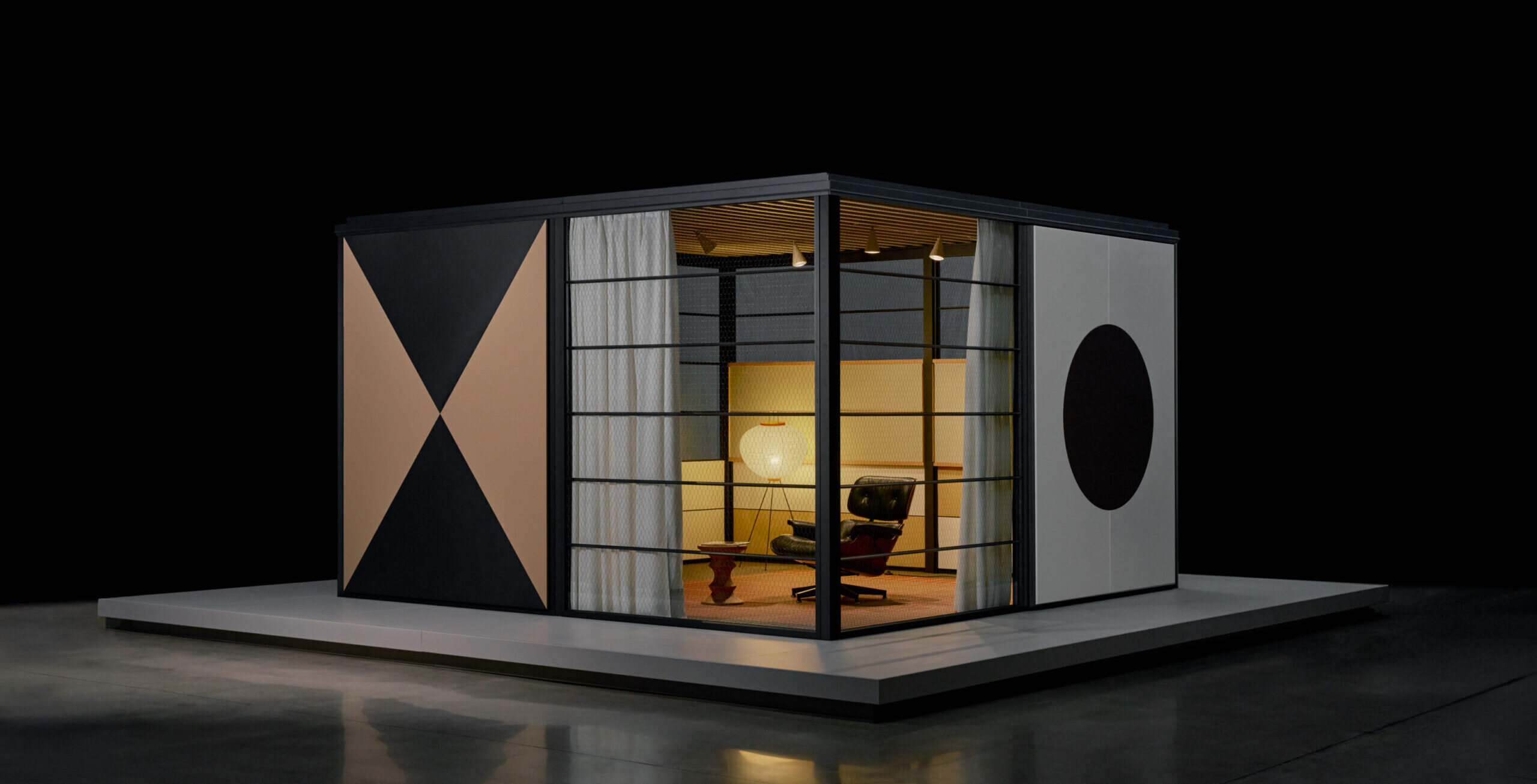
The Eames House has influenced generations of designers, and it is currently being revisited at Milan Design Week through a new exhibition exploring the residential work of Charles Eames and Ray Eames — and how those ideas continue to shape design today.
Built in 1949 in Pacific Palisades, California, it remains one of the most studied homes ever constructed. This April, its legacy is the subject of a major new exhibition at the Triennale di Milano during Milan Design Week, exploring the full breadth of Charles and Ray Eames’ residential work. At the centre of it all is something few expected: a new modular building system.
The Eames Pavilion System, developed by the Eames Office in partnership with Spanish manufacturer Kettal, is a prefabricated, kit-of-parts structure that realises one of the Eameses’ longest-held ambitions – because while most people know them through their furniture, the Eames House was never meant to be a singularity. It emerged from the Case Study Houses project, a programme exploring how prefab homes could be made accessible to almost anyone. The ambition was always universal.
Three years of archival research, led by former Vitra chief design officer Eckart Maise, uncovered a consistent thread running through all of the Eameses’ residential work: a preoccupation with modularity and off-the-shelf components. Among the discoveries was the Supermarket House, a self-initiated Eames research project into wood-framed modular housing designed to be shipped and assembled on site.
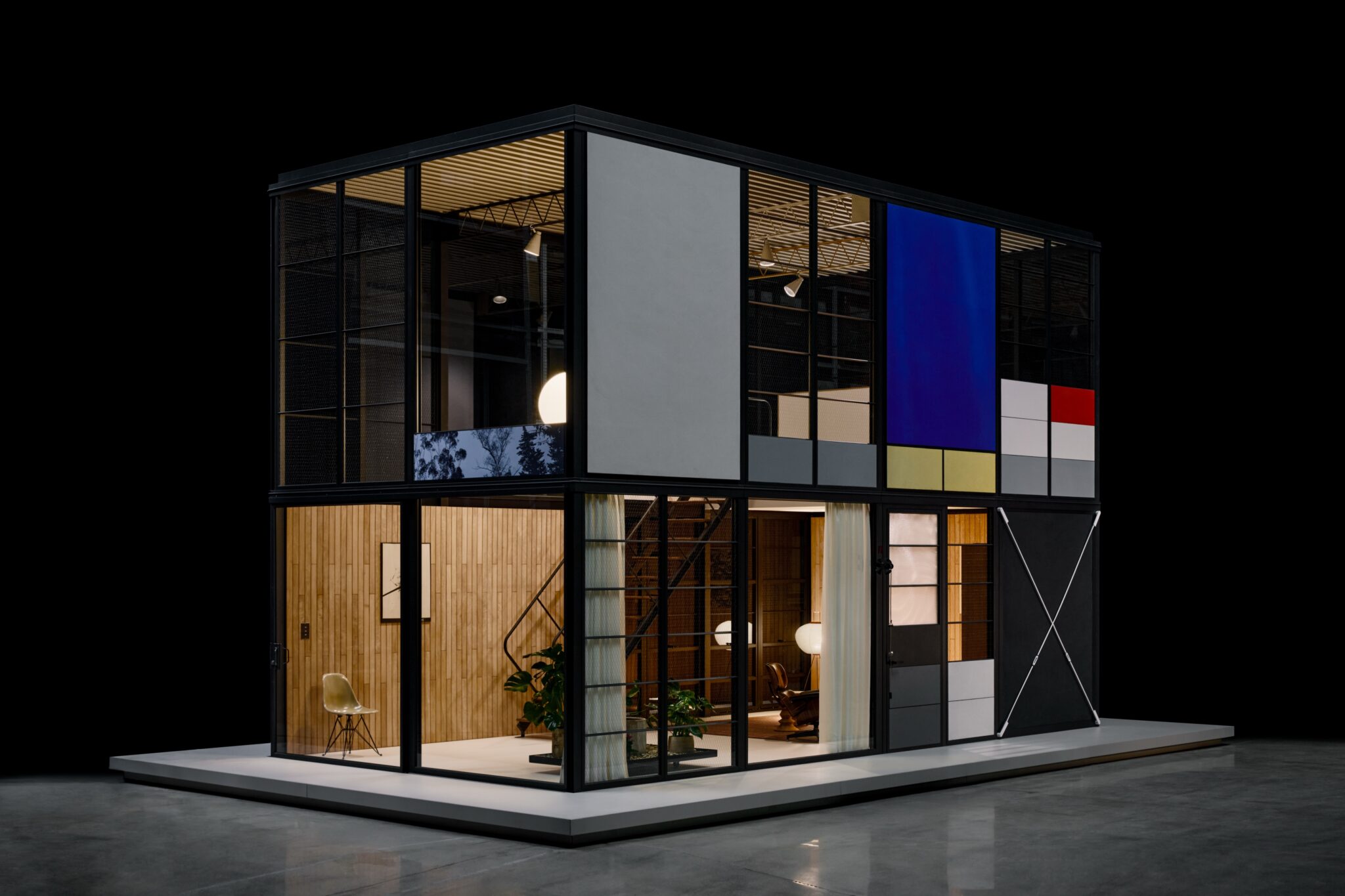
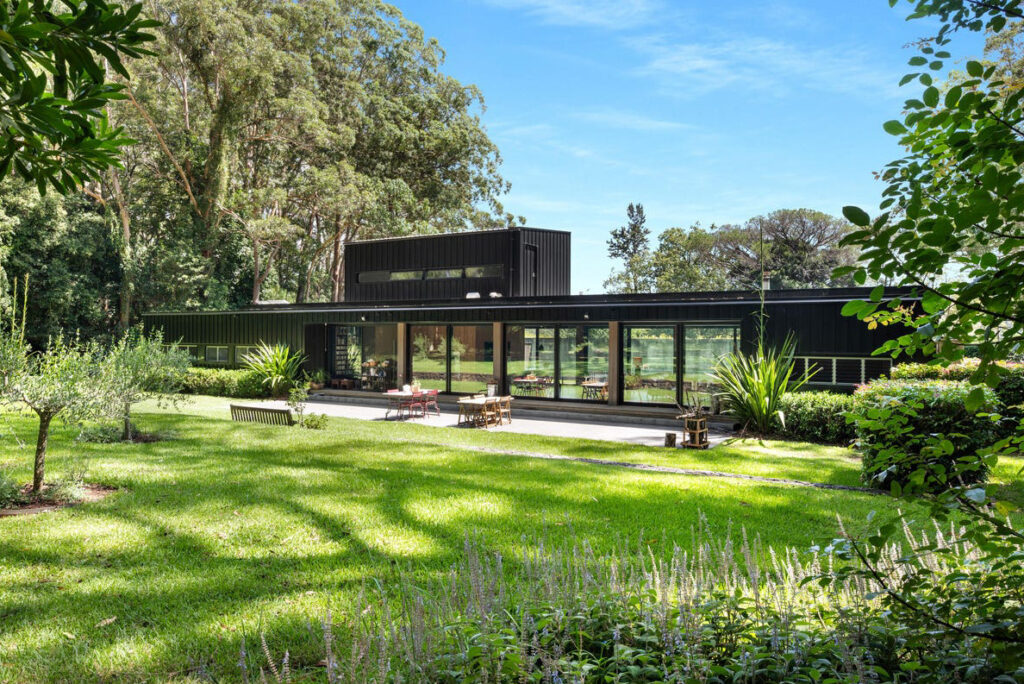
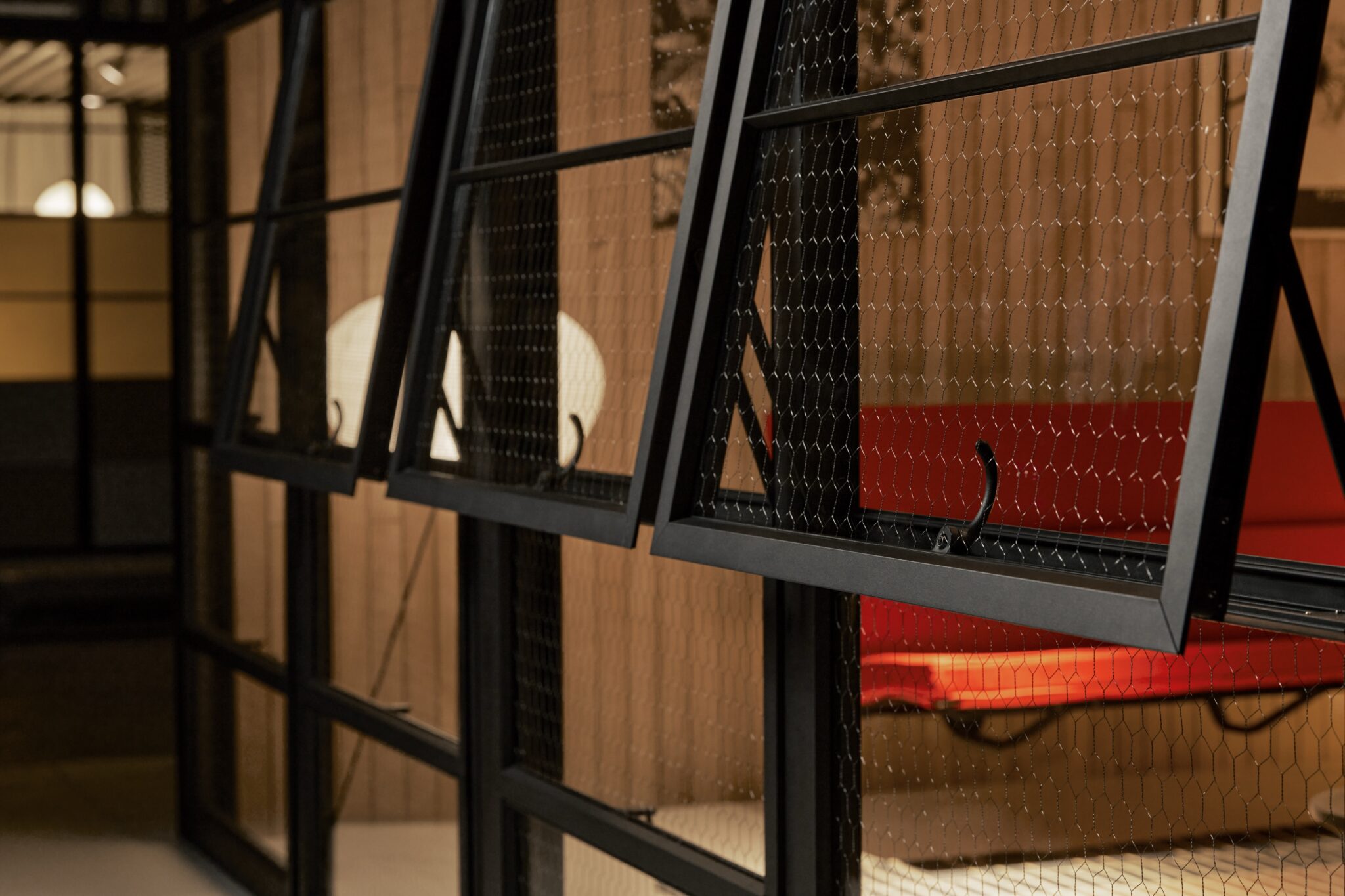
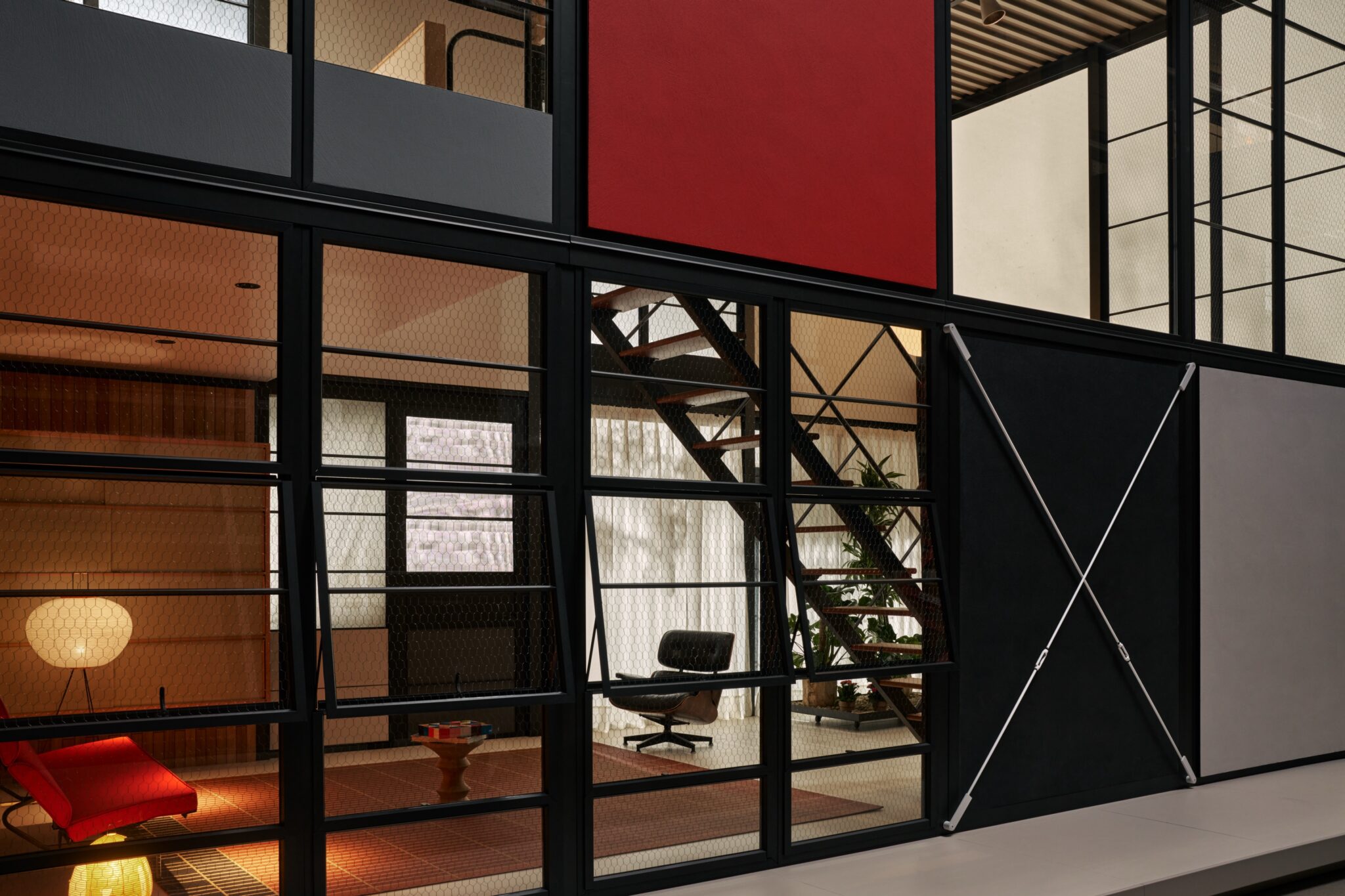
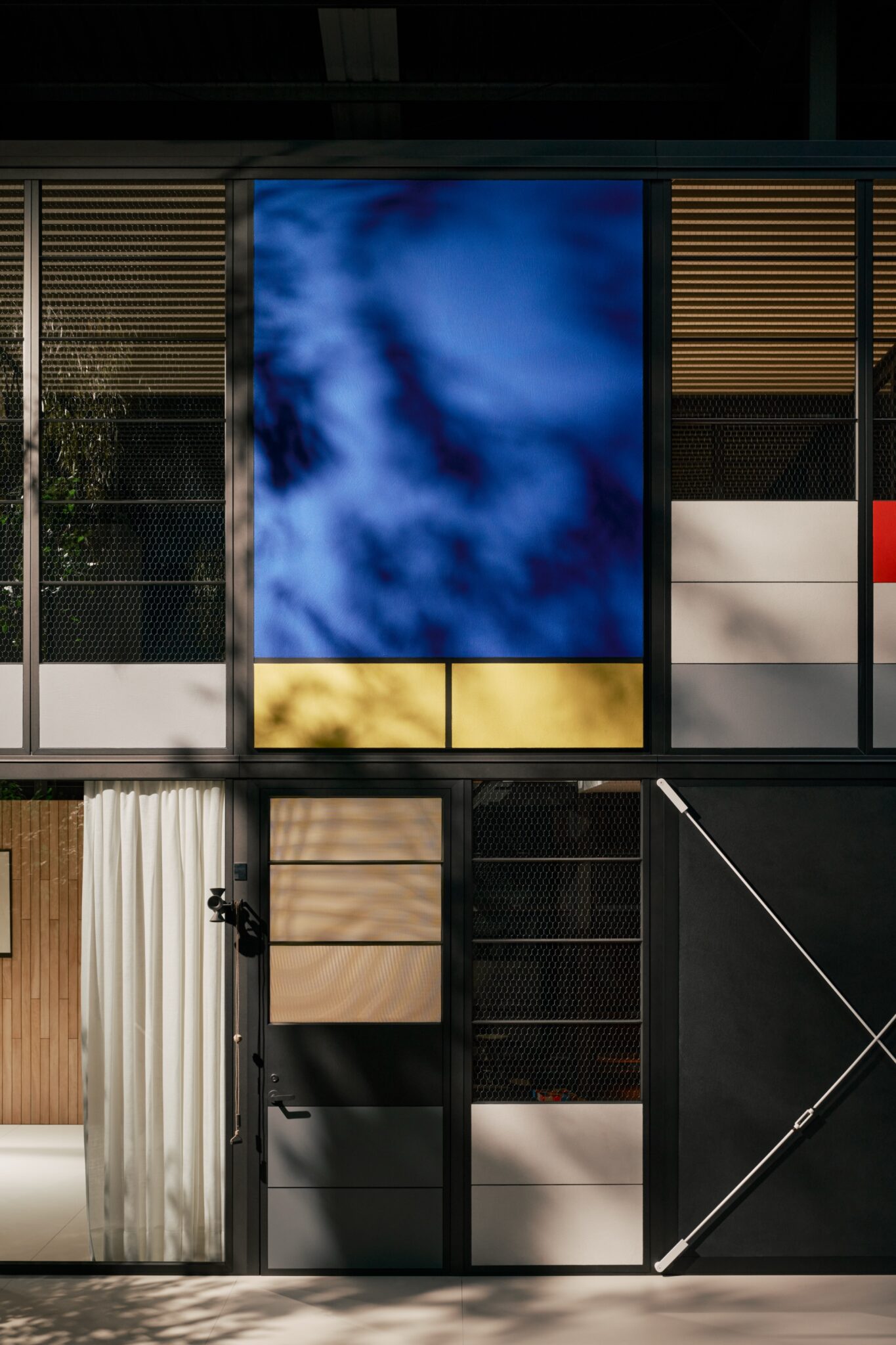
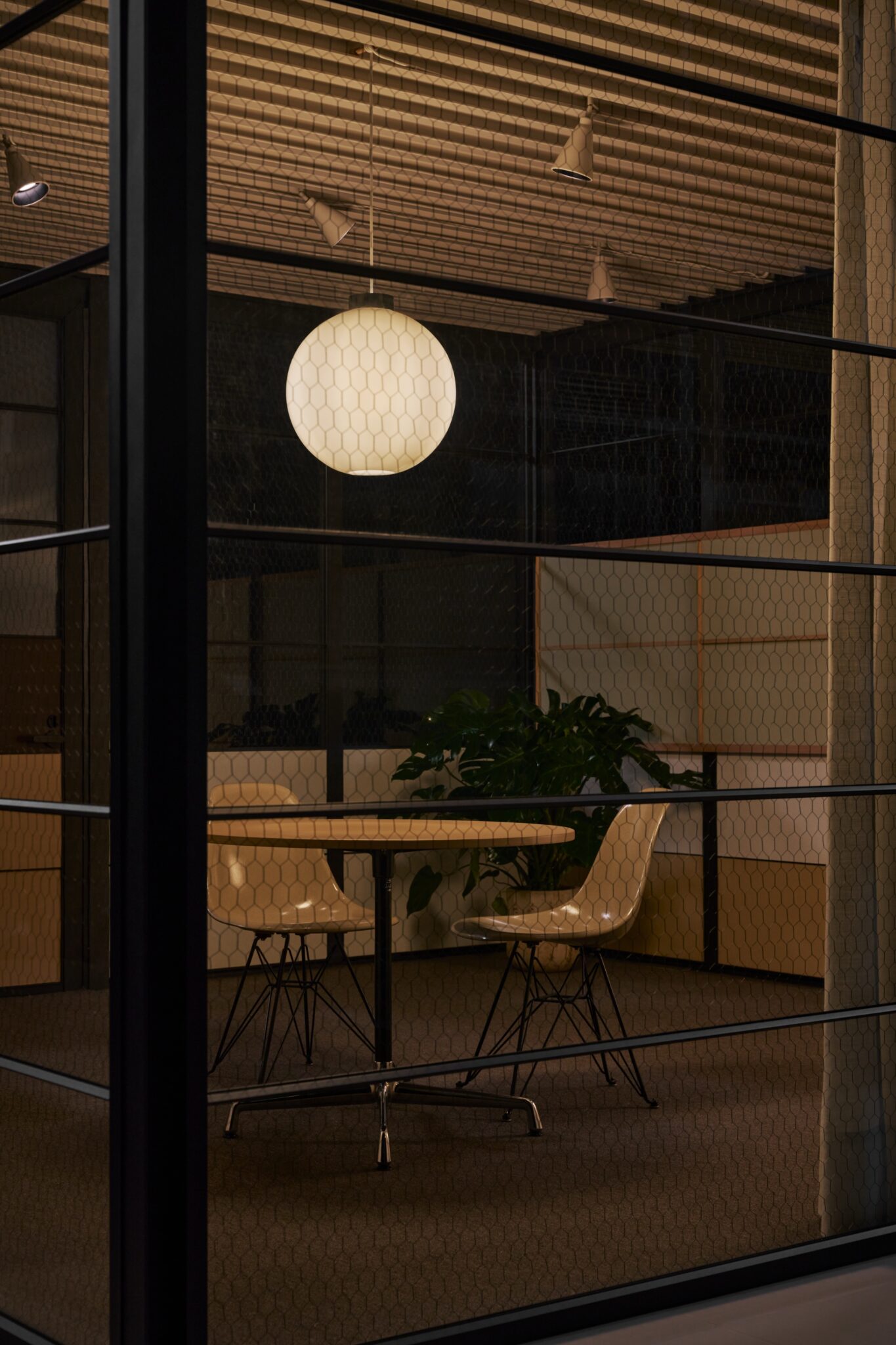
The resulting prefab system comprises aluminium structural modules infilled with glass, polycarbonate, and timber panels, with interchangeable roof types, windows, and accessories. Steel has been replaced by weather-resistant aluminium, single glazing by triple glazing, and every component has been brought up to contemporary performance and regulatory standards. Proposed uses range from a backyard studio or modular office to a fully equipped two-storey home. It will be available in single, double, and multi-bay configurations from early 2027, with an interior room-within-a-room application arriving at the end of 2026.
What resonates with us is what has always drawn us to modular construction: a disciplined, factory-built system that creates more possibility than it removes. This is not a nostalgia exercise. In the context of a global housing crisis, a well-resolved, prefab modular system that is beautiful, high-performance, and genuinely replicable feels more relevant than ever.
“The Eames Houses” exhibition runs at Triennale Milano from 20 April to 10 May 2026.
Credits
Photography: Yosigo, Rocafort, courtesy of Kettal