New South Wales
Rowlee Wines
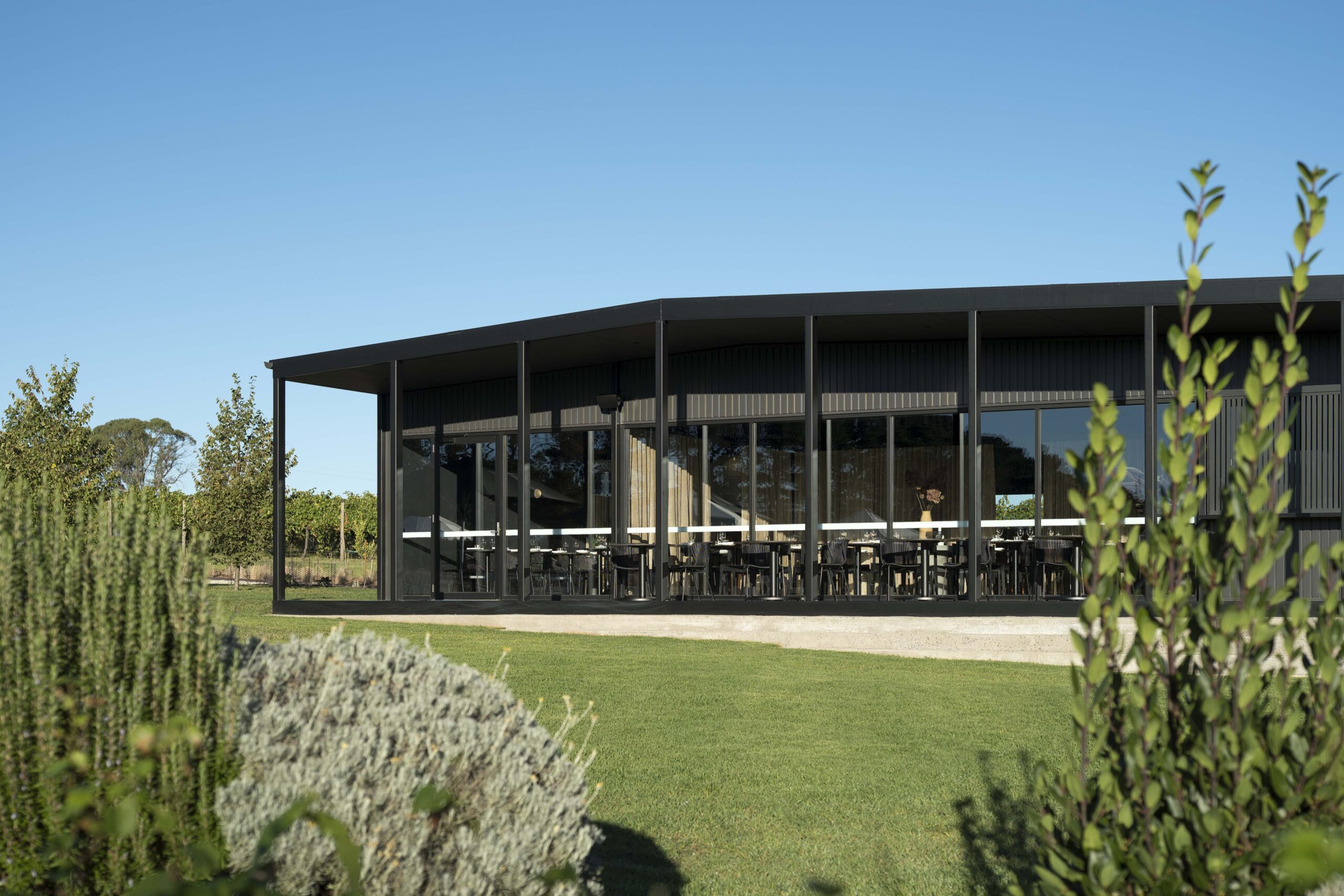
Set among the vineyards of Rowlee Wines in Orange, NSW, this winery is designed to immerse guests in the landscape, creating a seamless connection between architecture, food, wine and place.
-
2024
Year Completed
-
241m²
Floor Area
-
3
Modules
Project Specifications
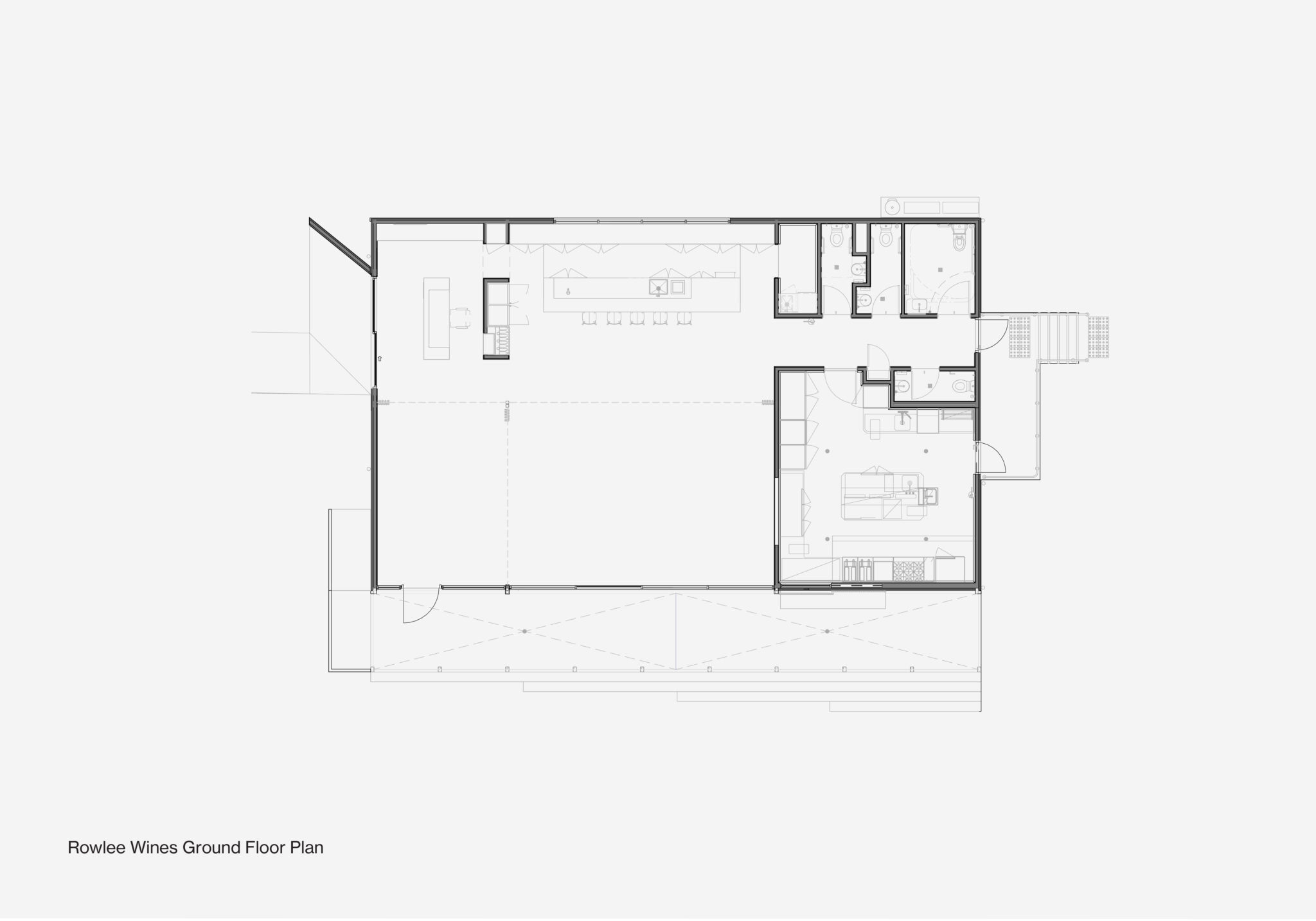
A winery building comprising a reception, tasting area, dining room, and preparation kitchen, with a generous verandah that extends the hospitality experience into the surrounding outdoor area.
Credits
Occupying what was once a pasture, the project draws on the property’s history. The site contained a collection of rustic farm buildings dating back to the 1880s, alongside a contemporary cellar door.
Delivered by Modscape + Modbotics in collaboration with Benn+Penna Architecture, we translated the design for modular construction and offsite manufacturing. The architecture sought to bridge the past and present, creating a new centrepiece that pays an homage to the historic working shed.
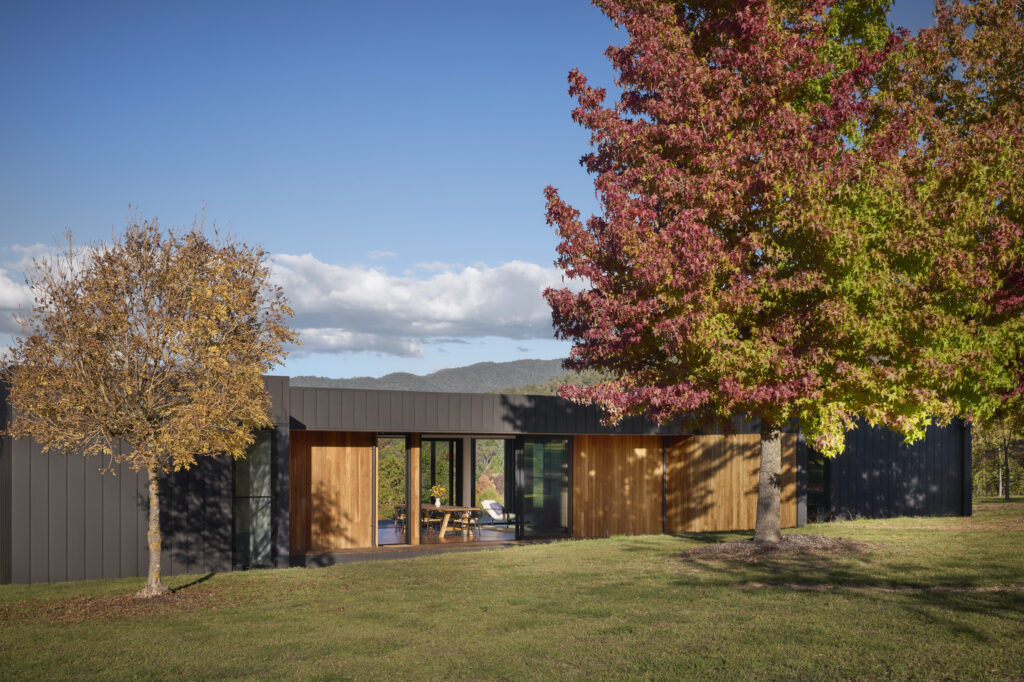
While contemporary in aesthetics, the building showcases a framing detail that evokes the structure of the traditional farm buildings, grounding it within the context of the working vineyard.
The client sought a hospitality destination that would complement and elevate the existing winery experience while respecting the character, landscape and ongoing operations of the estate. The project needed to create a memorable setting for dining and gathering, strengthening visitors’ connection to the vineyard and broader landscape.
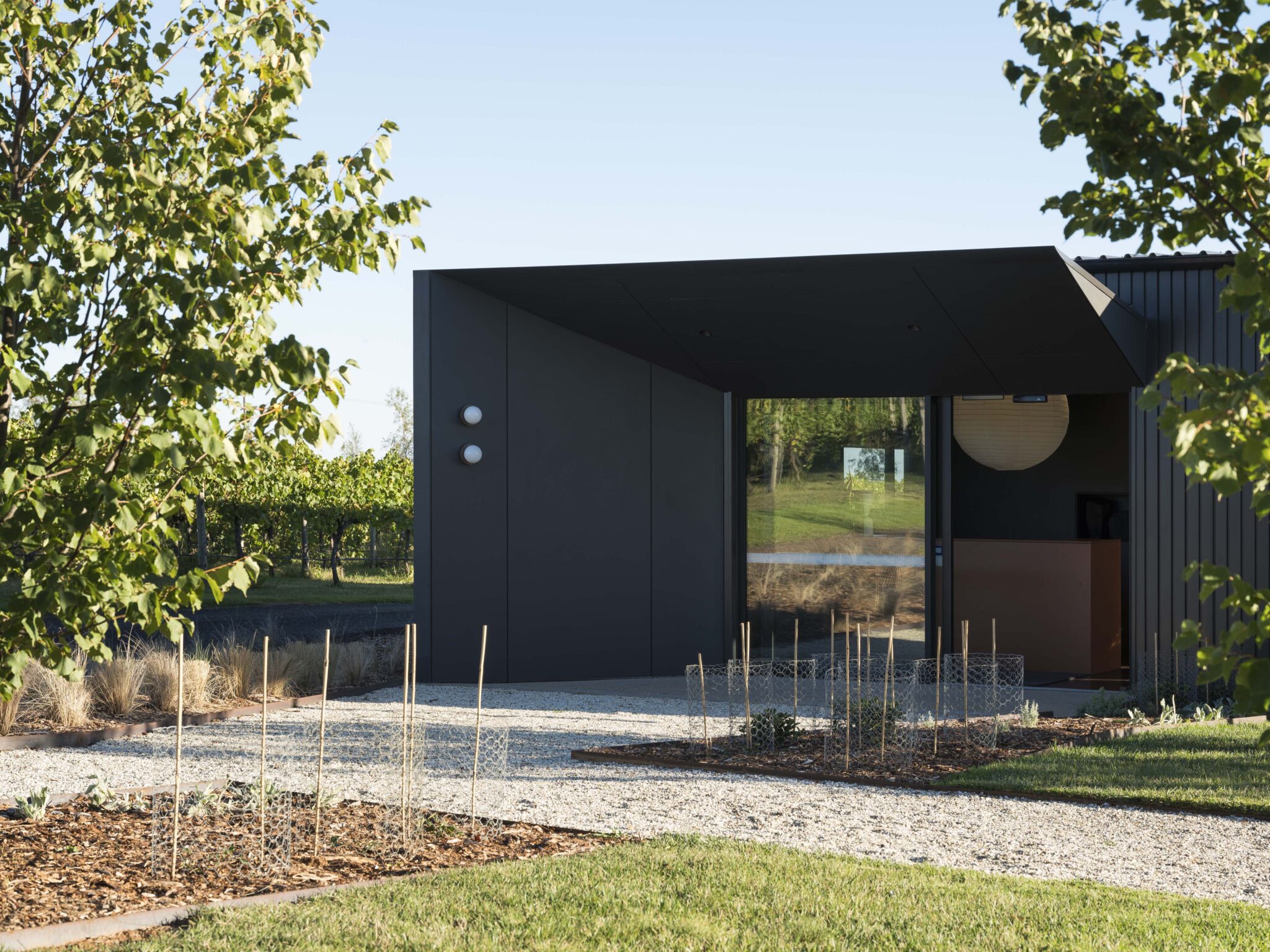
The resulting design resolves these objectives through a simple, grounded building form that sits naturally within its setting. Its placement creates a clear visual connection from the entry, establishing an immediate sense of arrival while allowing the building to feel embedded within the estate.
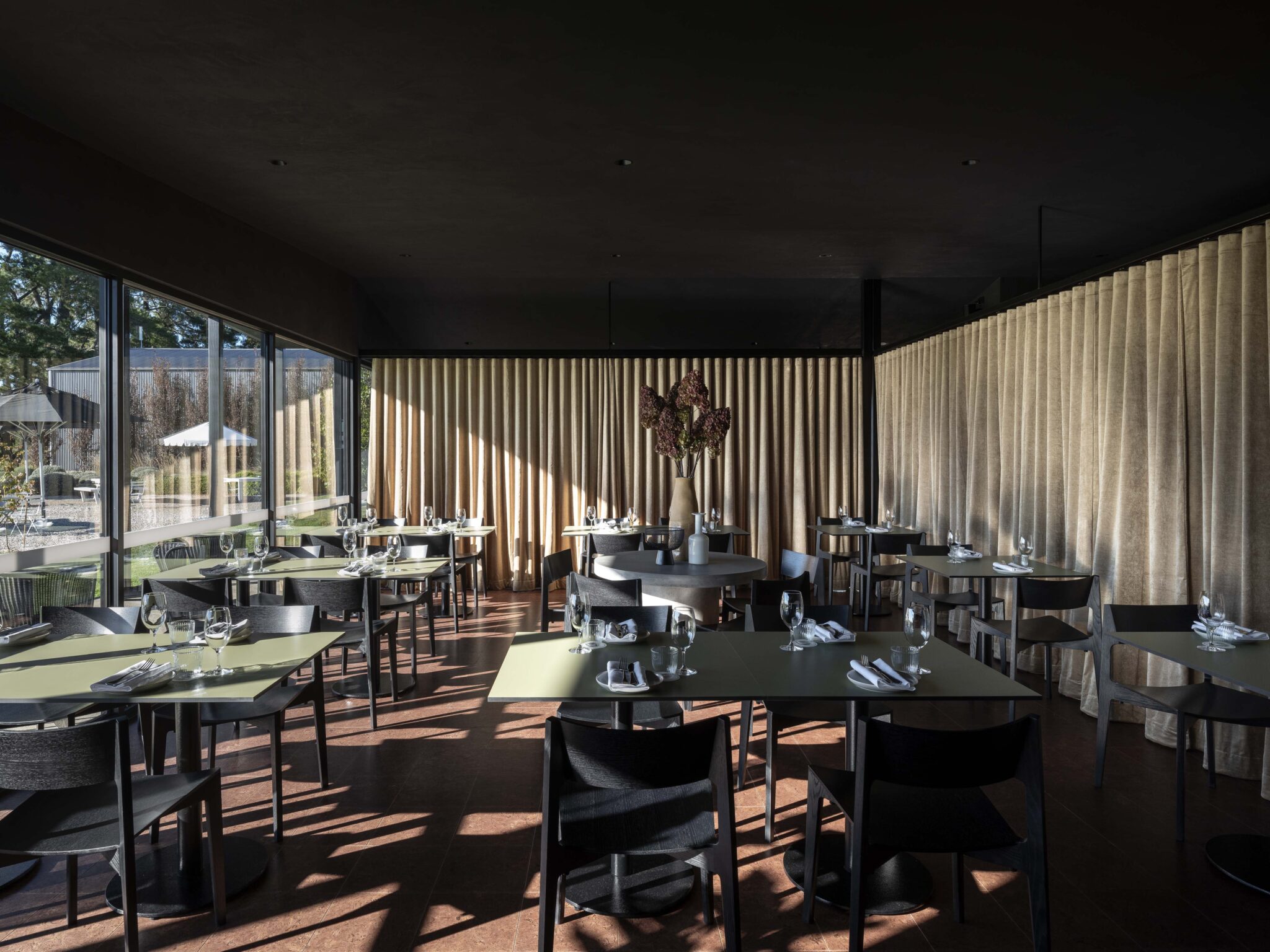
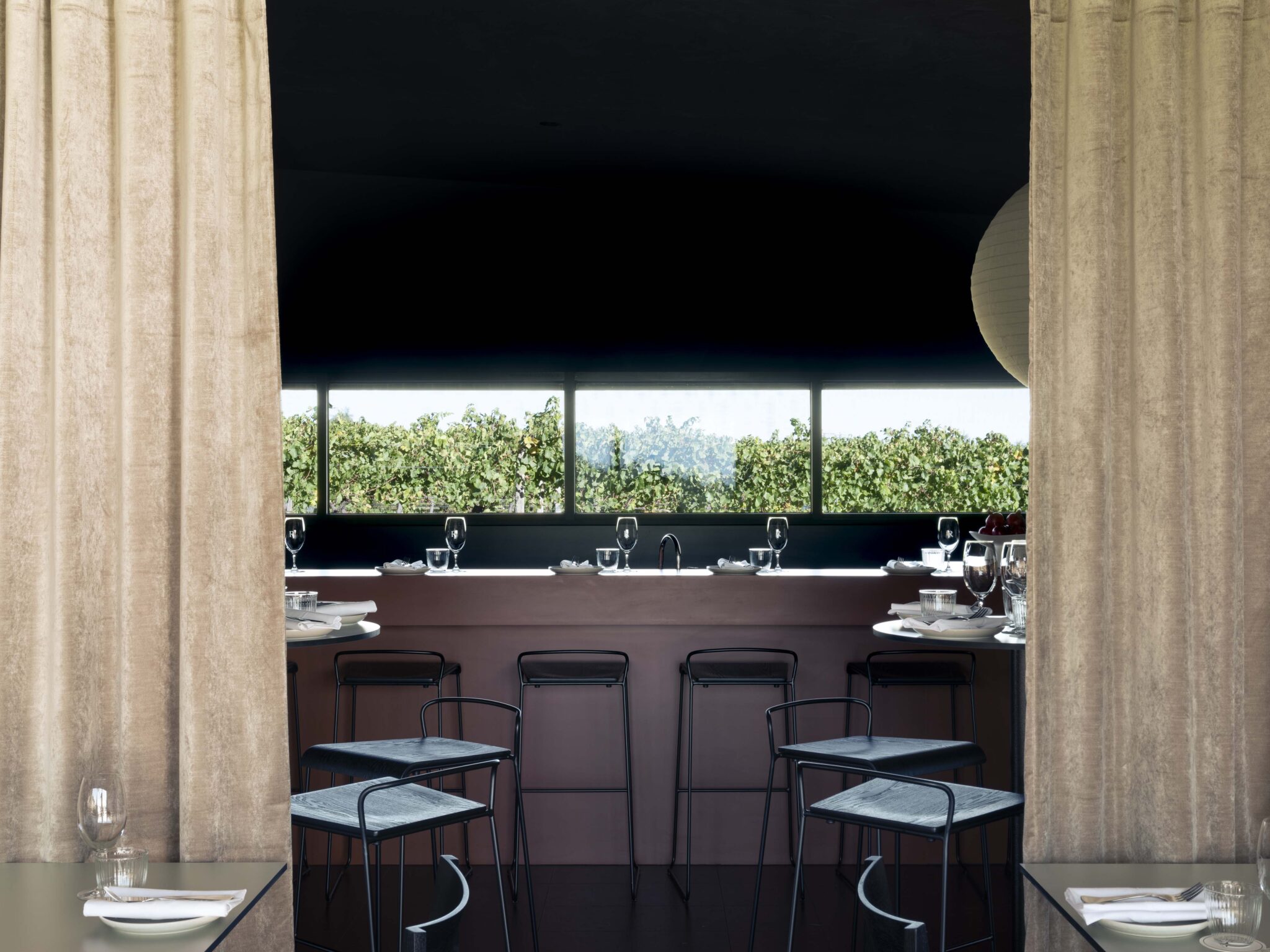
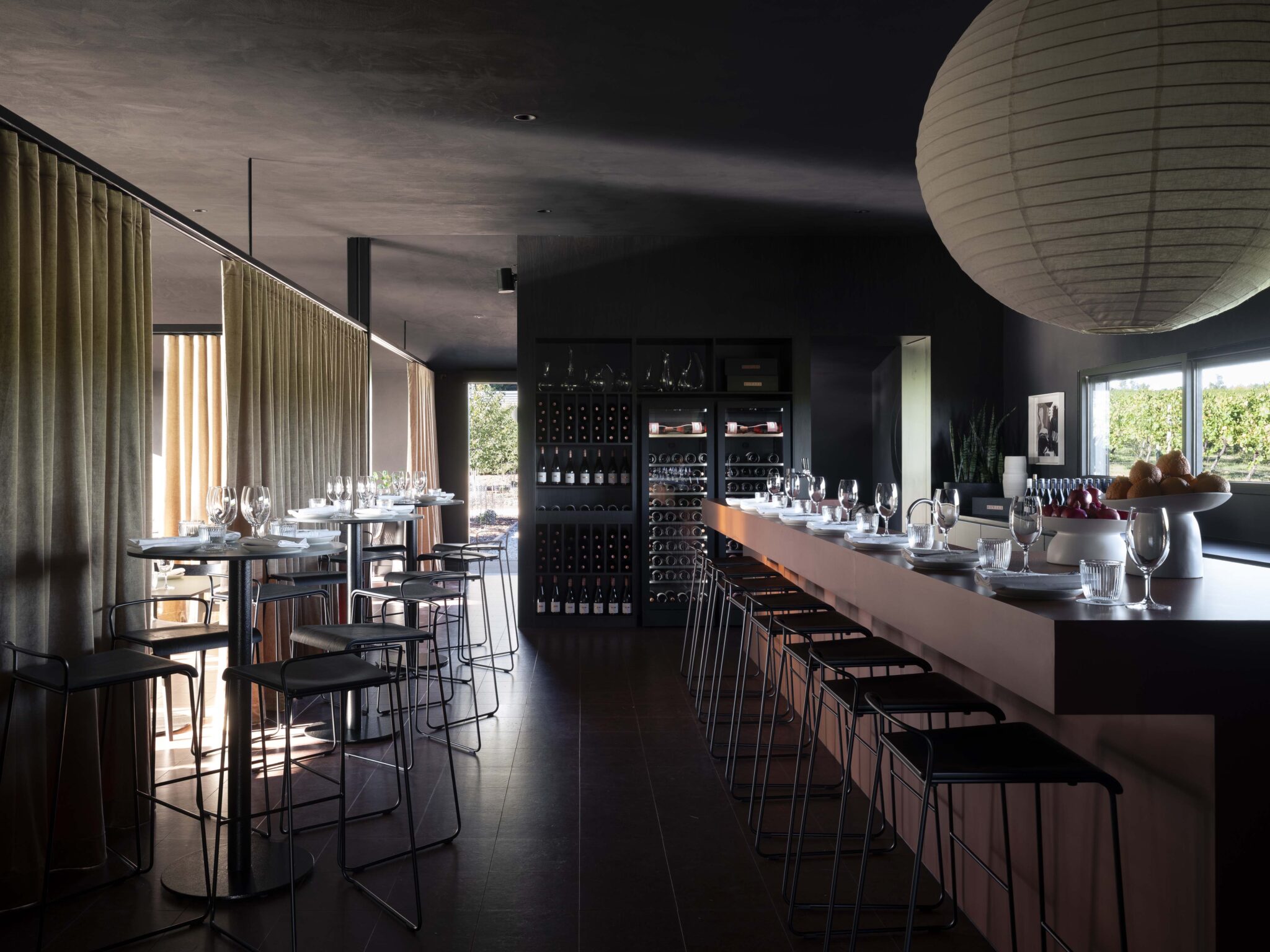
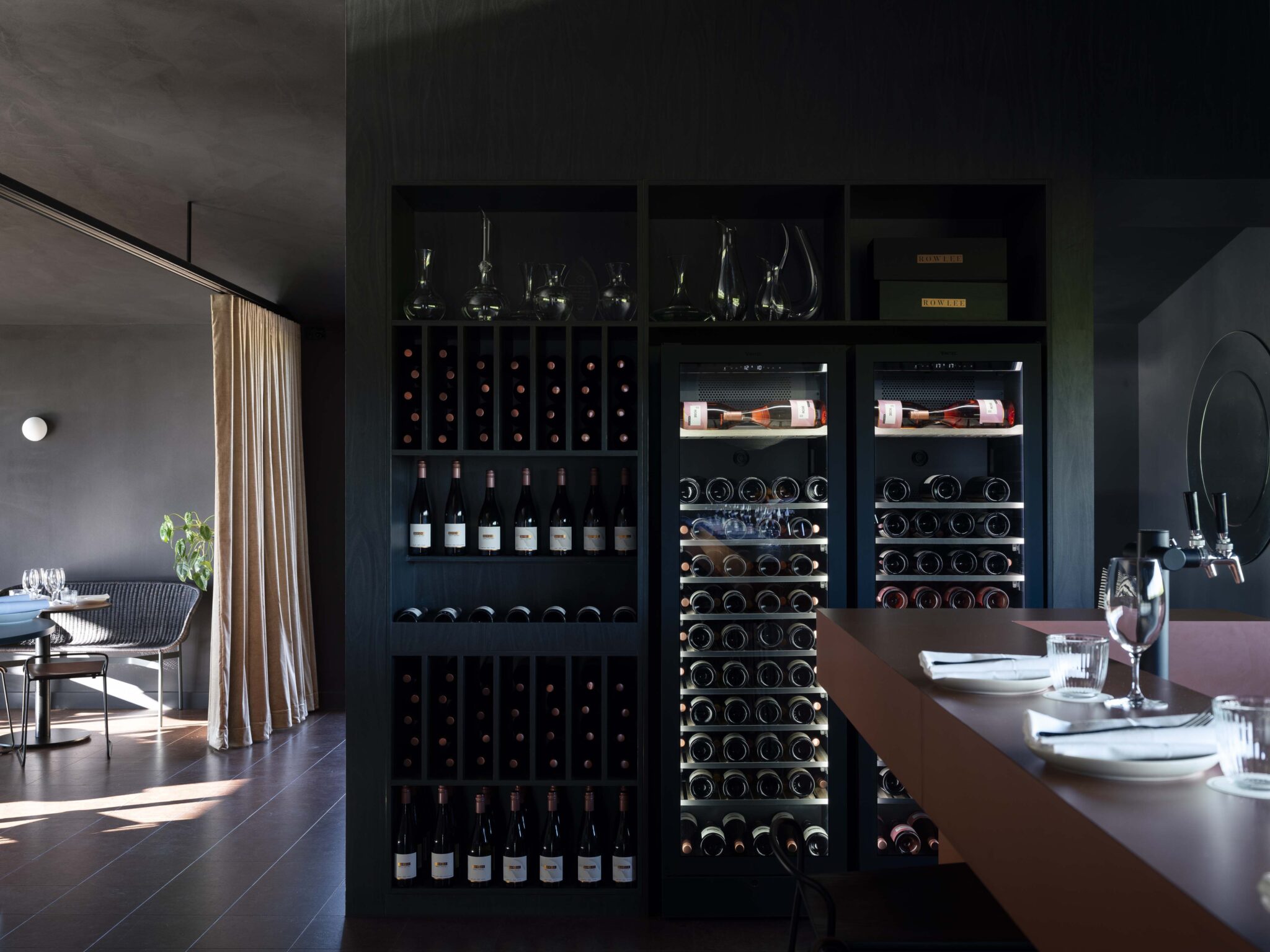
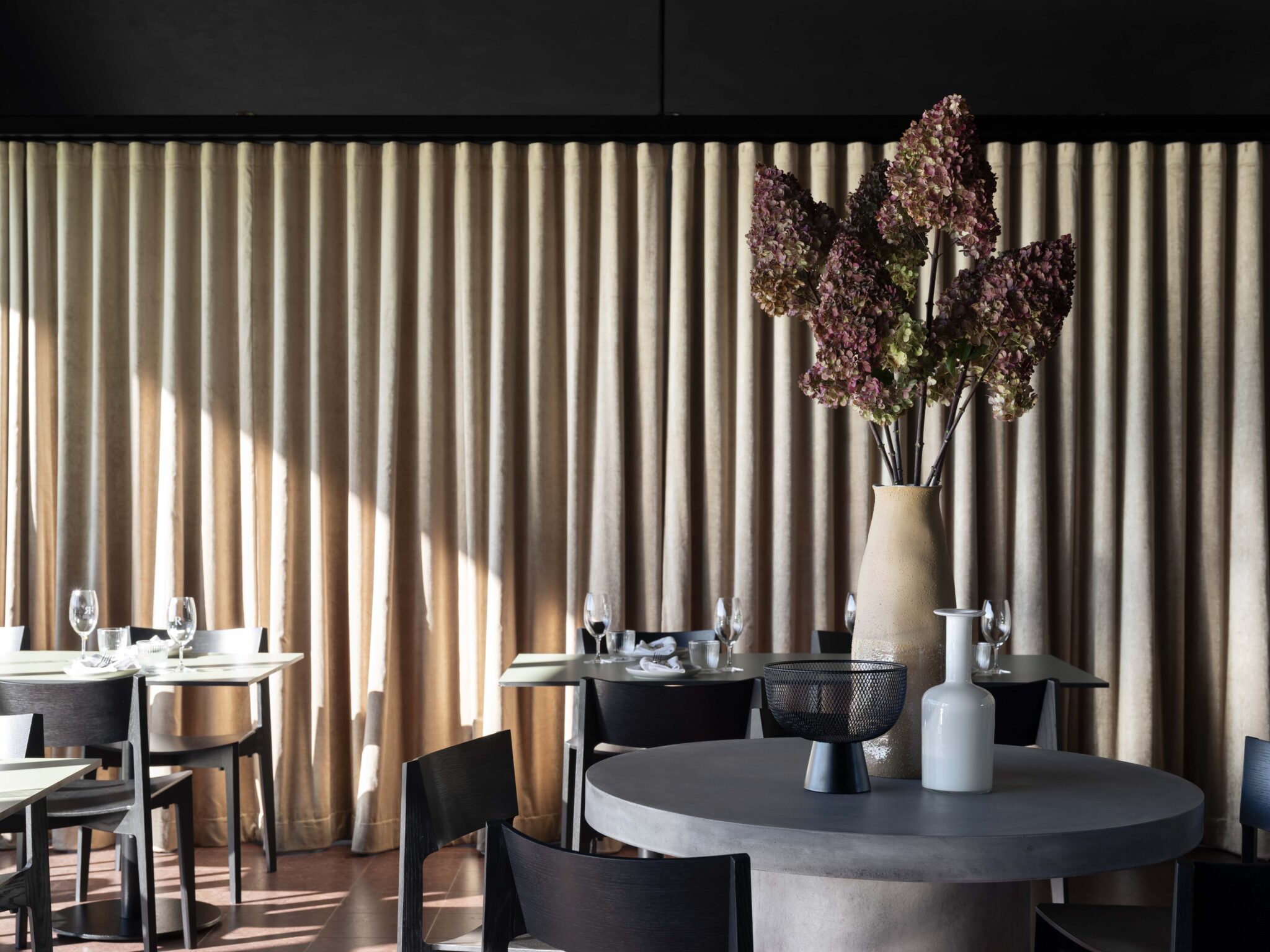
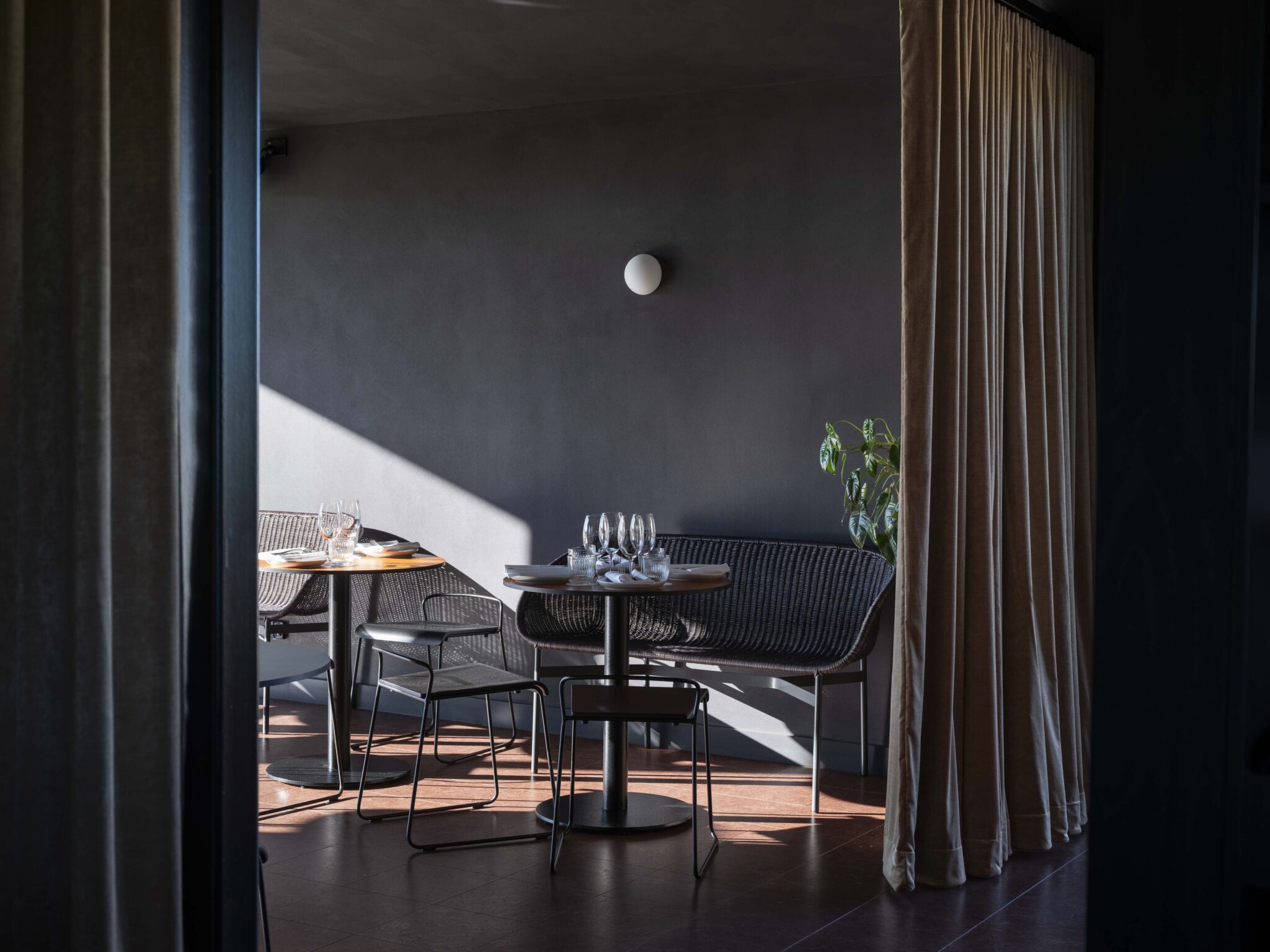
Internally, the layout and fitout support an intimate, mood-driven hospitality experience. Warm, carefully considered spaces create the atmosphere of a fine dining destination, while filtered views to the vineyard and surrounding landscape maintain a strong connection to place.
Offsite construction significantly reduced material waste and site disruption compared with conventional building methods. Manufacturing within a controlled factory environment enabled greater precision and quality assurance, while minimising impacts on the operational vineyard.